What causes data quality issues?
While most CRM users agree high-quality data is critical to business success, many organizations are still grappling with the root causes of poor data quality—and these issues often start at the foundation.
More than one-third of respondents (34 percent) said they don’t know who’s responsible for ensuring CRM data accuracy and completeness at their company. This uncertainty is even more common among individual contributors, who were 35 percent more likely than average to report a lack of clarity around data ownership.
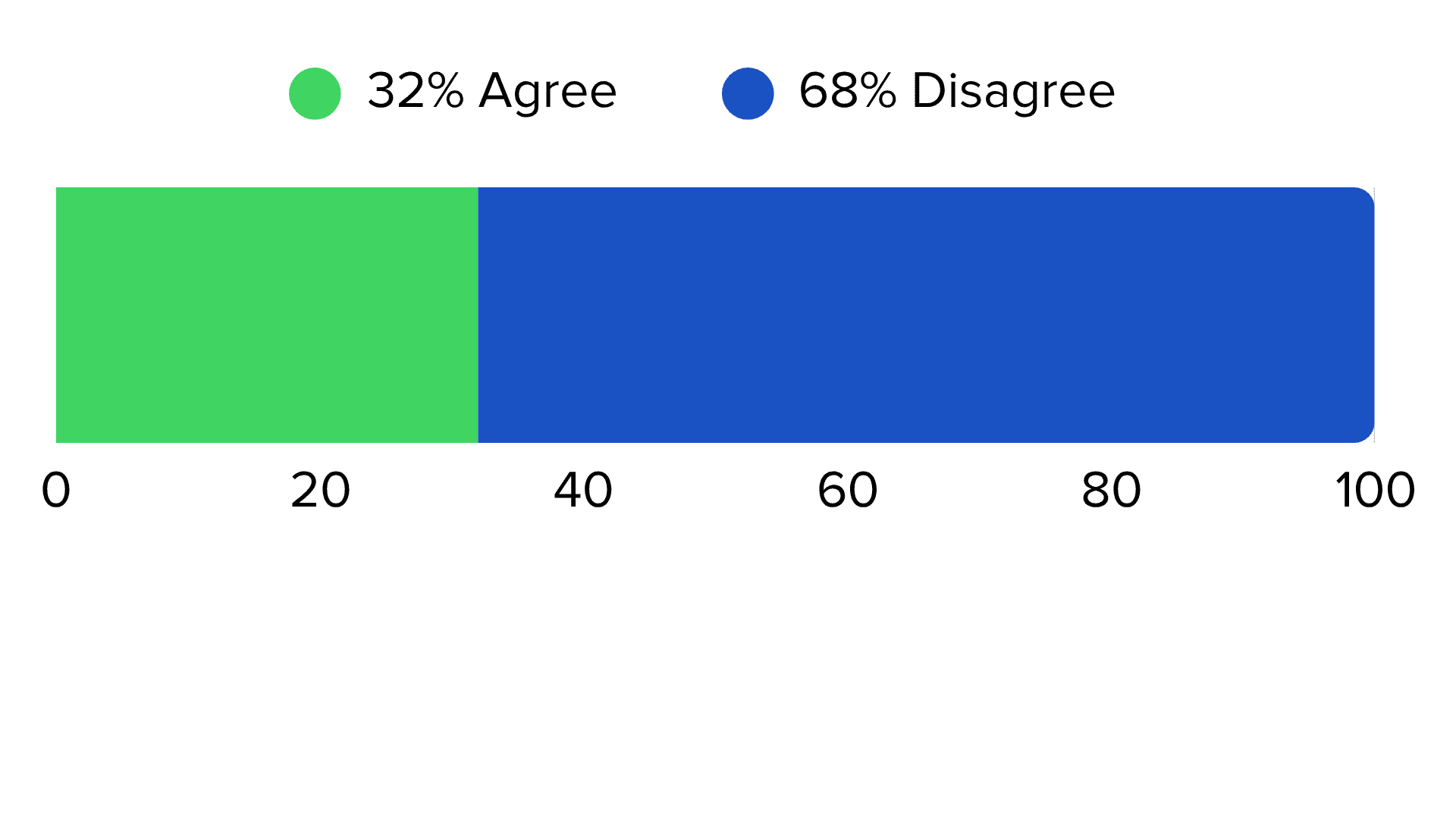
If no one knows who owns the data, it’s no surprise that formal governance is also lacking—just 20 percent of respondents said their organizations have formal data governance policies. Larger enterprises lead the pack here—those at companies with over $10 billion in annual revenue were 16 percent more likely than average to report having established policies.
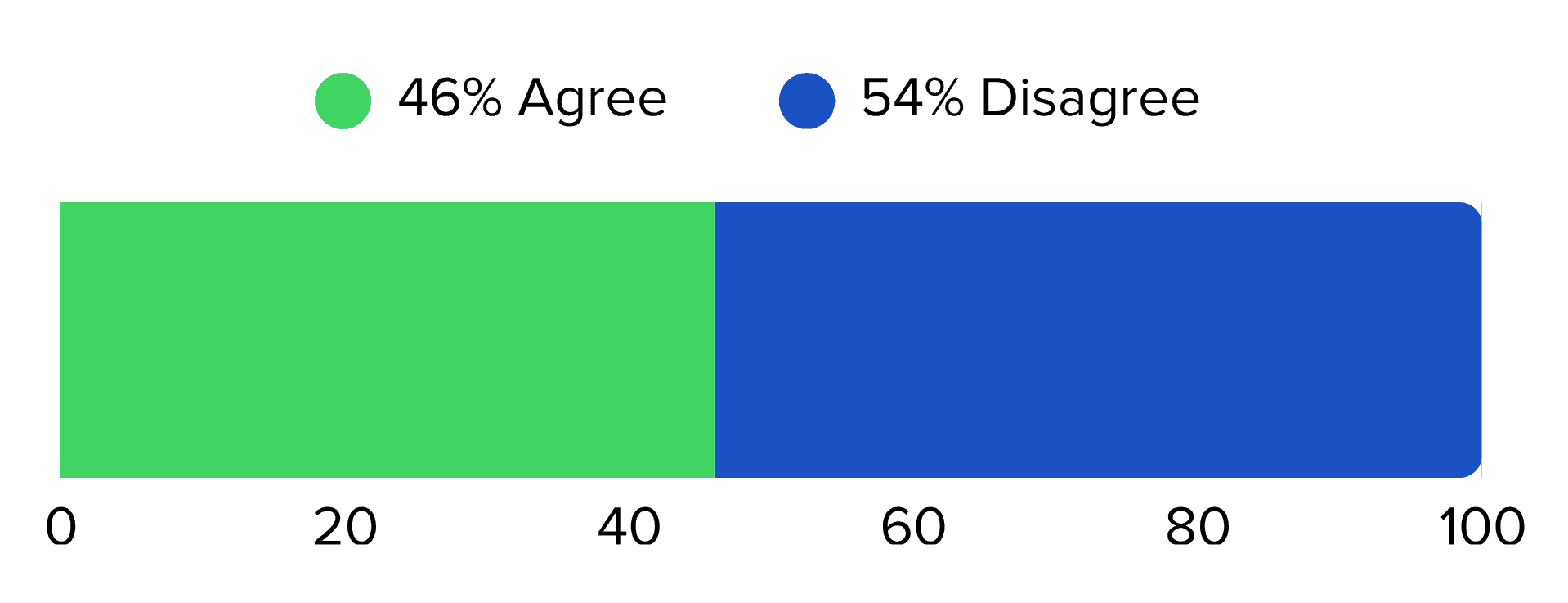
Forty-five percent of respondents said their organization struggles with siloed data, making it difficult to maintain consistency and visibility across teams. Individual contributors were 11 percent more likely than average to report this issue—suggesting that those on the frontlines of CRM usage feel the impact most.
What’s driving data silos?
50 percent of respondents cited legacy systems that are difficult to integrate
44 percent blamed incompatible systems and tools that don’t communicate effectively
A simple, yet major reason for data struggles is that businesses don’t know how to measure data quality. One in every three respondents said they feel unsure how to assess the quality of their CRM data. Without clear metrics or standards in place, it’s nearly impossible to identify issues, track progress, or prove the value of data quality initiatives.
Together, these issues paint a clear picture: Without defined ownership, modern systems, and aligned tools, even the best intentions around data quality unravel.